
Mazda CX-30 Manual: A Comprehensive Guide
Discover comprehensive resources for your Mazda CX-30, including free PDF owners manuals from 2019-2026, accessible through platforms like Planète Mazda, offering detailed operational guidance․
Welcome to the world of the Mazda CX-30, a vehicle designed with both style and innovation in mind․ This manual serves as your essential guide to understanding and operating all aspects of your CX-30, ensuring a safe and enjoyable driving experience․ Whether you’re a first-time Mazda owner or a seasoned enthusiast, this resource provides detailed information on everything from basic controls to advanced features․
Access to the official Mazda CX-30 manual is readily available online through platforms like Planète Mazda, offering downloadable PDF versions for model years 2019 through 2025, and potentially extending to 2026․ These manuals encompass hundreds of pages, covering every detail of your vehicle’s functionality․ Familiarizing yourself with this manual will empower you to maximize your CX-30’s potential and address any questions that may arise during ownership․
Where to Find the Official Mazda CX-30 Manual
Locating your Mazda CX-30’s official owner’s manual is straightforward․ A primary resource is Planète Mazda, a website dedicated to providing free downloadable PDF manuals for various Mazda models, including the CX-30, spanning the years 2019 to 2025, and potentially up to 2026․ You can conveniently view the manual online, print specific sections, or download the complete document for offline access․
Alternatively, Mazda’s official website may also host digital versions of the owner’s manual․ These resources offer comprehensive instructions, covering everything from basic operation to detailed explanations of advanced features like Mazda Connect and safety systems․ Having easy access to the manual ensures you can quickly find answers to your questions and maintain optimal vehicle performance․ These manuals are available in multiple languages․

Available Years for Download (2019-2026)
Currently, owners manuals for the Mazda CX-30 are readily available for download covering model years from 2019 through 2025, with indications suggesting availability extending into 2026․ Platforms like Planète Mazda specifically list free PDF downloads for these years, ensuring comprehensive support for a wide range of CX-30 vehicles․
This extensive range allows owners of nearly all CX-30 vintages to access detailed information regarding their vehicle’s operation, maintenance, and safety features․ The availability of manuals for multiple years is crucial, as Mazda may introduce updates or changes to systems and functionalities with each model year․ Accessing the correct year’s manual guarantees accurate and relevant guidance for your specific CX-30․

Understanding the Mazda CX-30 Manual Sections
Explore detailed sections covering the dashboard, Mazda Connect, and navigation systems, providing comprehensive instructions for operating your CX-30 effectively and safely․
Dashboard Layout and Instrument Cluster Explanation
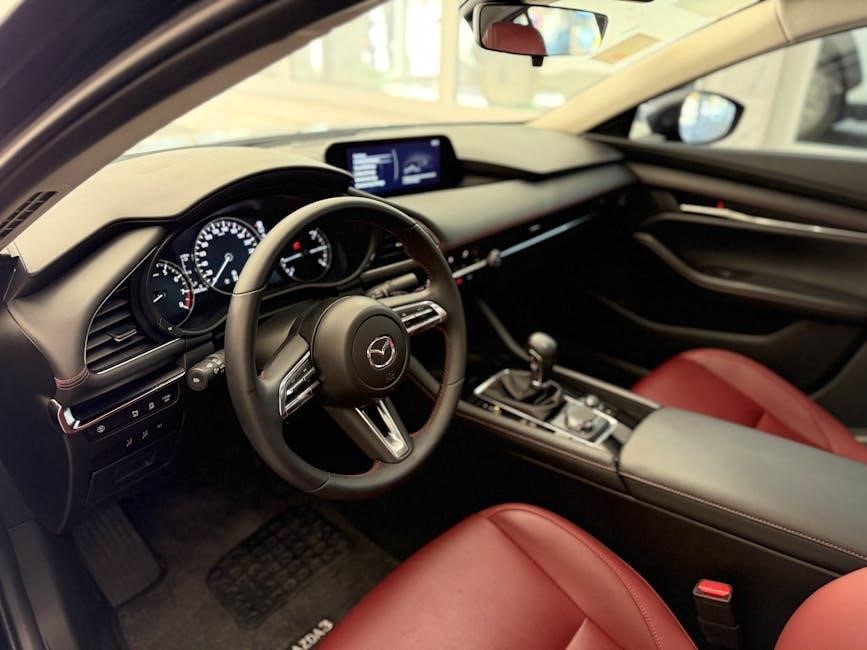
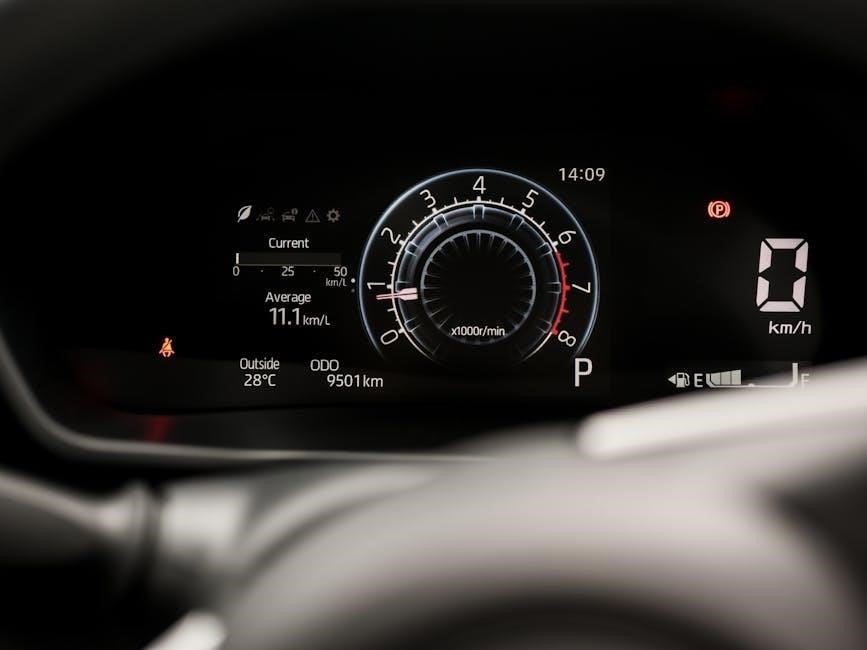
The Mazda CX-30’s dashboard is designed for intuitive operation, prioritizing driver focus and minimizing distractions․ The instrument cluster presents vital vehicle information clearly and concisely․ Key indicators include the speedometer, tachometer, fuel gauge, and coolant temperature․ Warning lights illuminate to alert drivers to potential issues, requiring immediate attention – consult the manual for specific interpretations․
Beyond these core displays, the instrument cluster integrates a central information display․ This screen showcases data from the Mazda Connect system, including navigation prompts, audio selections, and vehicle settings․ Drivers can customize the displayed information to suit their preferences․ Understanding the arrangement and function of each gauge and indicator is crucial for safe and informed driving․ Refer to page 301 of the owner’s manual for detailed settings information․
Familiarize yourself with the location of essential controls, such as those for climate control, audio, and lighting, to enhance your driving experience and maintain focus on the road․
Mazda Connect System – Detailed Guide
The Mazda Connect system serves as the central hub for infotainment and connectivity within your CX-30․ It integrates audio, navigation, communication, and vehicle settings into a user-friendly interface․ Access is primarily through the central display screen and the Commander control knob, allowing for intuitive operation without driver distraction․
Key features include Bluetooth connectivity for hands-free calling and audio streaming, smartphone integration via Apple CarPlay and Android Auto, and access to Mazda Connected Services․ The system also supports voice commands for various functions․ Detailed instructions on pairing devices, navigating menus, and customizing settings are available within the Mazda Connect Owners Manual․
Explore the system’s capabilities to enhance your driving experience, stay connected on the go, and utilize features like real-time traffic updates and point-of-interest searches․
Navigation System Operation
The Mazda CX-30’s navigation system provides precise guidance and real-time traffic information to ensure a smooth journey․ Input destinations using the Commander control and central display, utilizing voice command functionality for hands-free operation․ The system offers various view options, including 2D and 3D maps, and displays points of interest along your route․
Map updates are crucial for maintaining accuracy and accessing the latest road information․ These can be downloaded periodically through Mazda Connected Services or via USB․ The system also integrates with smartphone navigation apps via Apple CarPlay and Android Auto, offering alternative routing options․
Refer to the Mazda Connect Owners Manual for detailed instructions on setting preferences, customizing the display, and troubleshooting common navigation issues․

Key Features and Their Operation
Explore advanced technologies like Smart Brake Support, Lane Departure Warning, and Adaptive Cruise Control, detailed within the Mazda CX-30 manual for optimal usage․
Smart Brake Support (SBS) System – Functionality & Control
The Smart Brake Support (SBS) system is a crucial safety feature in the Mazda CX-30, designed to help mitigate collisions․ As outlined in the owner’s manual, SBS detects potential forward collisions with vehicles or pedestrians and can automatically apply the brakes to reduce impact speed or even avoid the collision altogether․
Functionality includes monitoring the distance and speed of preceding vehicles․ If a collision is deemed imminent and the driver doesn’t react, SBS provides audible and visual warnings․ Should the driver still not respond, the system can apply emergency braking․ The manual details how the SBS can be temporarily disabled via the vehicle’s settings, though it automatically reactivates with each ignition cycle․
Control of the system is primarily through the Mazda Connect system settings․ Users can adjust sensitivity levels, if available, and understand the operational limitations outlined in the manual, such as performance in adverse weather conditions․ Refer to page 301 of the Mazda Connect Owners Manual for detailed settings information․

Lane Departure Warning System (LDWS) – Usage & Settings
The Lane Departure Warning System (LDWS) in the Mazda CX-30 enhances driver safety by alerting you if the vehicle begins to drift out of its lane unintentionally․ This system utilizes a forward-facing camera to monitor lane markings and provides visual and audible warnings when lane departure is detected without signaling․
Usage involves ensuring clear lane markings are visible․ The system is typically activated through the vehicle’s settings menu, accessible via the Mazda Connect system; Drivers should be aware that LDWS is a driver aid and doesn’t replace attentive driving․ It’s designed to supplement, not substitute, safe driving practices․
Settings allow for customization, potentially including adjusting the warning sensitivity or temporarily disabling the system․ The owner’s manual provides detailed instructions on accessing and modifying these settings․ Understanding the system’s limitations, such as performance in poor weather or with faded lane markings, is crucial for effective use․
Adaptive Cruise Control – How to Utilize
Mazda’s Adaptive Cruise Control (ACC) system in the CX-30 maintains a set speed while automatically adjusting to maintain a safe following distance from the vehicle ahead․ To utilize ACC, first activate the cruise control function using the steering wheel controls․ Then, engage the ACC mode, typically indicated by a visual cue on the instrument cluster․
The system allows drivers to set a desired speed and following distance․ ACC uses radar technology to detect vehicles ahead and automatically decelerates or accelerates to maintain the chosen gap․ Drivers can override the system at any time by applying the brakes or adjusting the accelerator․
Important considerations include understanding the system’s limitations in adverse weather conditions or heavy traffic․ Refer to the owner’s manual for detailed instructions on operation and settings adjustments, ensuring safe and effective use of this convenient feature․
Maintenance and Care
Ensure optimal performance by following the recommended maintenance schedule, regularly checking fluid levels, and monitoring the Tire Pressure Monitoring System (TPMS) as detailed in the manual․
Recommended Maintenance Schedule
Maintaining your Mazda CX-30’s performance and longevity requires adherence to a specific maintenance schedule, outlined thoroughly within the owner’s manual․ This schedule details essential checks and services at various mileage intervals, ensuring all systems function optimally․
Regular oil and filter changes are crucial, typically recommended every 7,500 to 10,000 miles, depending on driving conditions․ Tire rotations should occur every 5,000 miles to promote even wear and extend tire life․ Inspections of brake pads, fluids (coolant, brake fluid, power steering fluid, and windshield washer fluid), and belts are vital components of the schedule․
Furthermore, the manual details specific intervals for replacing air filters, cabin air filters, and spark plugs․ Following this schedule not only preserves your vehicle’s value but also contributes to a safer and more reliable driving experience․ Consult your owner’s manual for the precise schedule tailored to your model year․
Tire Pressure Monitoring System (TPMS) – Information
The Mazda CX-30 is equipped with a Tire Pressure Monitoring System (TPMS) designed to enhance safety and fuel efficiency․ This system continuously monitors the air pressure in each tire, alerting the driver when pressure falls below a predetermined level․ A warning light on the dashboard illuminates to indicate low tire pressure, prompting immediate attention․
Maintaining proper tire pressure, as indicated on the tire placard located on the driver’s side doorjamb, is crucial for optimal TPMS functionality․ The system doesn’t replace the need for regular manual checks with a tire pressure gauge․ Resetting the TPMS may be required after tire rotations or pressure adjustments, as detailed in the owner’s manual․
Ignoring the TPMS warning light can lead to uneven tire wear, reduced handling performance, and increased risk of a tire failure․ Refer to your CX-30’s manual for specific TPMS reset procedures and troubleshooting tips․
Fluid Level Checks and Top-Ups
Regularly checking and maintaining proper fluid levels is vital for the longevity and performance of your Mazda CX-30․ Key fluids to inspect include engine oil, coolant, brake fluid, power steering fluid, and windshield washer fluid․ The owner’s manual provides detailed instructions on locating each reservoir and determining the correct fluid type․
Low fluid levels can indicate leaks or increased consumption, requiring professional attention․ Top up fluids to the “MAX” mark, avoiding overfilling․ Use only Mazda-approved fluids to ensure compatibility and prevent damage to the vehicle’s systems․ Consult the manual for specific fluid specifications․
Consistent fluid level maintenance contributes to optimal engine operation, braking efficiency, and overall vehicle reliability․ Ignoring these checks can lead to costly repairs․
Troubleshooting Common Issues
Address typical problems like warning lights, jump-starting, and in-car tech glitches using the Mazda CX-30 manual for guidance and effective solutions․
Dealing with Warning Lights
Encountering warning lights on your Mazda CX-30’s dashboard requires immediate attention, but not always emergency action․ The owner’s manual is your primary resource for deciphering these signals․ Different lights indicate varying levels of severity – some signal minor maintenance needs, while others point to potentially serious mechanical issues․
Solid warning lights generally suggest a current problem requiring investigation, whereas flashing lights often indicate a more urgent situation demanding immediate attention․ Refer to the manual’s dedicated section on warning lights to understand the specific meaning of each illuminated icon․ It details the recommended course of action, whether it’s scheduling a service appointment or safely pulling over․

Ignoring warning lights can lead to more extensive and costly repairs down the line․ The manual provides a comprehensive guide to help you proactively address these alerts and maintain your CX-30’s optimal performance and safety․
Jump Starting Procedures
If your Mazda CX-30’s battery is depleted, a jump start can get you back on the road, but it’s crucial to follow the correct procedure to avoid damaging the vehicle’s electrical system․ Your owner’s manual provides detailed, step-by-step instructions tailored to the CX-30․
Generally, this involves positioning a second vehicle close enough for the jumper cables to reach, ensuring both vehicles are switched off, and connecting the cables in a specific order: positive to positive, then negative to the disabled vehicle’s chassis․ Once connected, start the assisting vehicle and let it run for a few minutes before attempting to start the CX-30․
The manual emphasizes safety precautions, such as wearing eye protection and avoiding contact between the cables․ After a successful jump start, it’s recommended to drive the CX-30 for a sufficient period to allow the alternator to recharge the battery fully․
Basic In-Car Technology Troubleshooting
The Mazda CX-30 boasts advanced in-car technology, and the owner’s manual offers guidance for resolving common issues․ For the Mazda Connect system, initial troubleshooting involves checking cable connections and ensuring the system is fully powered on․ If experiencing navigation problems, verify map updates are current and GPS signal is strong․
Regarding the infotainment screen, a simple reset – often found within the system’s settings – can resolve freezing or unresponsive behavior․ Bluetooth pairing difficulties can usually be fixed by deleting previous connections and re-pairing the device․ The manual directs users to specific menu locations for these adjustments․

For more complex issues, the manual suggests consulting a Mazda dealer, but provides enough basic steps to address many common technological hiccups independently, maximizing convenience for the driver․

Safety Features Explained
Explore the Mazda CX-30 manual for detailed information on crucial safety systems, including airbags, child seat installation, and emergency assistance features for peace of mind․
Airbag System – Details and Precautions
The Mazda CX-30’s airbag system is a vital component of its safety features, designed to provide crucial protection during collisions․ The owner’s manual details the various airbags – frontal, side, and curtain – and their specific deployment characteristics․ It’s essential to understand that airbags deploy with significant force, and certain precautions must be observed․
Always ensure occupants, especially children, are properly restrained․ Improper seating positions can increase the risk of injury during airbag deployment․ The manual provides explicit guidance on child safety seat installation, emphasizing the importance of following manufacturer instructions and Mazda’s recommendations․ Never place a rear-facing child seat in front of an active airbag․
Furthermore, the manual outlines potential hazards associated with the airbag system, including the risk of injury from deploying airbags and the importance of servicing the system only by qualified technicians․ Modifications to the vehicle or the airbag system itself are strictly prohibited․ Regular inspection and maintenance, as outlined in the recommended schedule, are crucial for ensuring optimal airbag performance․
Child Safety Seat Installation
The Mazda CX-30 owner’s manual provides detailed instructions and crucial safety information regarding child safety seat installation․ It emphasizes the importance of adhering to both Mazda’s guidelines and the child seat manufacturer’s instructions for proper and secure installation․ The manual highlights designated LATCH (Lower Anchors and Tethers for Children) locations within the vehicle, ensuring compatibility with various seat types․
Specifically, the manual cautions against placing rear-facing infant seats in front of active airbags, as deployment could cause severe injury․ It details how to deactivate the front passenger airbag when a rear-facing seat is necessary in that position․ Proper use of the top tether anchor is also strongly recommended for forward-facing seats, enhancing stability and reducing head excursion during a collision․
Always double-check the installation to confirm the seat is firmly secured and doesn’t move more than one inch side-to-side or front-to-back․ Consulting the manual’s diagrams and following the step-by-step instructions are vital for maximizing child passenger safety․
Emergency Assistance Features
The Mazda CX-30 manual details several emergency assistance features designed to provide support in critical situations․ A key component is the emergency e911 call system, automatically connecting occupants with emergency services upon airbag deployment or manual activation through the Mazda Connect system․ This system transmits the vehicle’s location data to aid responders․
Furthermore, the manual explains the operation of the roadside assistance program, offering services like towing, jump starts, and tire changes․ It outlines how to access these services through the Mazda Connect app or by contacting Mazda directly․ Information regarding the vehicle’s hazard lights and their proper usage in emergency scenarios is also provided․
The manual stresses the importance of familiarizing oneself with these features before an emergency occurs, ensuring a swift and effective response when needed․ Detailed instructions on accessing the vehicle’s hazard communication system are included for optimal safety․